Decision tree
Rival review sites: whose links to copy, whose to skip
Every music or film blog has two or three rivals that keep outranking it. Looking at who links to them is the quickest way to learn what is ordinary in your corner of the web.
Blogzic editorial team ·
Start with a list of five, not fifty
Choose rivals by search results, not by pride. Type the titles of your last five reviews into Google, and note the sites that keep appearing above you.
A competitor backlinks analysis does not need an expensive suite. Ahrefs, Semrush and Moz all offer limited free views, and Google Search Console shows your own links for nothing.
Pull the linking sites for each rival, then sort them by what kind of site they are: fan community, press outlet, festival page, label page, general blog. Patterns appear within an hour, and they are usually dull in a useful way.
Keep notes in a plain spreadsheet. Columns for rival, linking site, type, date seen and price are enough, and the sheet becomes your shopping list for the first order.
A link that has sat there since 2019 tells you something different from one that appeared last month. Check the dates as well, because the second kind is the more useful clue to what rivals are doing now.
Follow the branches
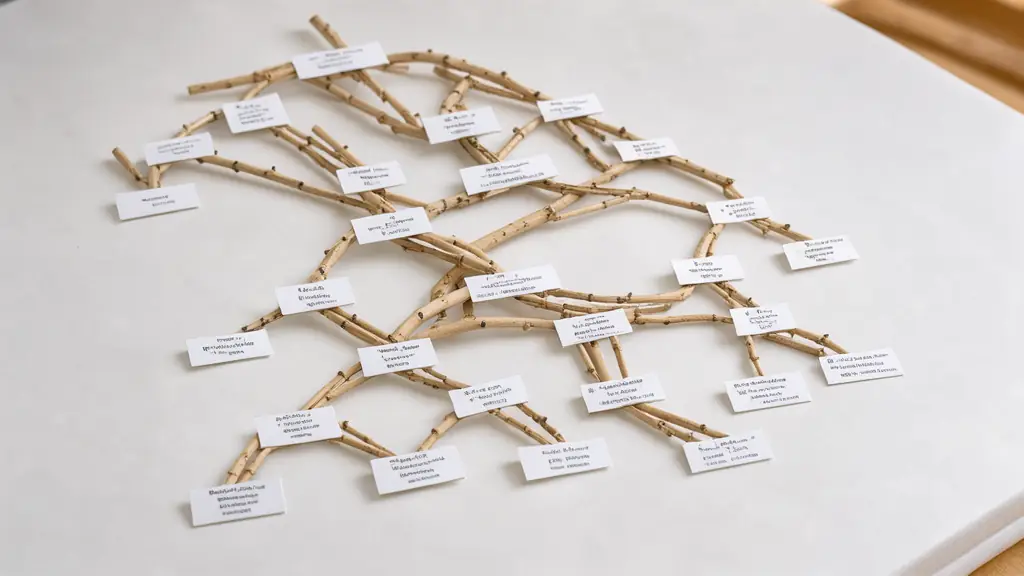
Walk the questions in order. Stop at the first one that applies.
Does the link come from a label, venue or festival?
You cannot buy that one. Pitch the press office, send a clean press kit with dates and credits, and ask for a listing in the media section.
Is it a fan forum or a review community?
Join in as a person first. A thoughtful reply with a link to a relevant piece earns more than a drive-by, and moderators remember the difference.
Is it an editorial site with a sensible audience?
This is the shelf Blogzic sells from. Filter the catalogue by niche and language, and check the donor's traffic against the price.
Does the donor carry dozens of unrelated links?
Skip it. If a page links to casinos, supplements and music in the same paragraph, the neighbourhood does you no favours.
What each branch usually costs
| Branch | Money | Time | Control |
|---|---|---|---|
| Label, venue or festival link | None | Weeks | Low, they decide |
| Fan forum or community | None | Hours of participation | Medium |
| Editorial placement through Blogzic | $1 to about $500 | About 24 hours after payment | High, you choose the page and mode |
| Guest article you pitch yourself | None, plus the writing | Days to months | Medium |
If a rival has a link from a regional music magazine, look for the equivalent in your own language, not that magazine itself. Matching the type of site keeps your profile varied.

Reading a rival's profile without panicking
A rival with 900 referring domains may have earned most of them over eight years, and you will not match that in a quarter. Big numbers mislead. Compare growth rather than totals.
Reviews that attract links from fan sites, podcasts and local press are healthy. A profile made mostly of identical anchors is a warning rather than a model, so look at the donor mix before you copy anything.
Closing a gap of ten relevant links is a better target than matching a thousand. Set a modest goal first, and let the podcast Q&A show how small teams think about pace.
Reading a profile in context
A profile means little on its own. Compare the rival with two or three others in the same corner of music or film, rather than with a famous site from another world. Context stops a single outlier from setting your target.
Ask which of the rival's links you could never match. Some come from festival programmes or label pages, which you cannot buy. Note those separately, so your plan leans on the branches you can actually reach.

Measure the pace, not the pile
A competitor backlinks analysis works best as a timeline. Snapshots mislead. Compare how many good links each rival gained per month over a year, since that smooths out the peaks and quiet spells every niche has, and a single month can mislead you in either direction.
Say a rival gains about five good links a month and you gain two. Pace decides this. Closing that gap is a question of rhythm, and a steady three a month is a more believable plan than one large purchase. Most small sites find that a slow, even line is the one they can keep up.
Count referring domains, not raw links
A rival with 300 referring domains may have only 50 that carry real weight. The rest are duplicates, dead pages or sites that stopped being crawled long ago.
Count the referring domains you can actually name, and sort them into on-topic and off-topic. That count tells you more than a headline number on a dashboard.
Watch the dates on each link
A link from last month and one from several years ago do different jobs. Older links may still count for a lot, while fresh ones show what a rival is doing right now.
Note the date you first saw each link, and check again a season later. A link that vanished tells you the donor changed, which matters before you copy its neighbours.
Read the profile over time
If a rival's profile jumped after a single batch of identical links, treat it as a warning. Search engines have had years to discount that pattern, and a jump is not the same as a foundation.
Ask what the links did over time rather than what the dashboard showed on the day you looked. A profile that grows evenly is harder to copy, but it is far easier to trust.
Set the pace from your own budget
Start from what you can afford to spend without stress, then work out how many links that buys across a year. A plan that fits the budget will survive a quiet season, while a plan built on a rival's pace often collapses in the first one.
Spread the spend so that no single month carries the whole plan. A small, steady allowance also gives you a clear record to compare against the rival's line, which makes the next decision easier.
Do you need to disavow strange links?
Most of the odd links in a rival's profile do little harm. Noise rarely wins. Many of your own odd links are already ignored. Search engines try to match the topic of a linking page with the page it points at, so a link from an unrelated site adds little.
Disavowing belongs to a narrower case: links you bought or built yourself that you now want search engines to disregard. Used on random noise, it adds work and removes nothing that mattered.
Negative SEO is rarely the threat
Worries about a rival pointing junk at your site come up often. Google has said it generally disregards links from unrelated spam sites, so a flood of them is usually discounted rather than counted against you.
Watch for the rare case where a pattern repeats across many new sites with the same anchor, and act on that alone. Otherwise, keep your time for your own pages.
When a disavow file is worth the trouble
Use one when you can name links that came from your own purchases or schemes and you want them disregarded. Write the file with domains rather than single URLs, and keep a copy of exactly what you sent.
Remember that it is a tool for a narrow job. A file full of guesses can hide links you actually earned.
Questions teams ask about rival links
How do I run a competitor backlinks analysis on a small budget?
Start with Google Search Console for your own links, then use the limited free views in one or two link tools for each rival. Sort the results by type of site, count the referring domains you can name and note the date you first saw each one. A spreadsheet is enough to start.
How many links should a small review site add each month?
There is no universal number, and anyone who quotes one is guessing. Look at what your rivals added over a year, then set a pace you can keep. A steady, modest line usually beats a burst you cannot follow up.
Should I copy a rival's exact donors?
Rarely. Some of a rival's donors may suit you, but a list copied wholesale ignores your genre, your language and your budget. Check each donor against your own page first.
Is a rival's sudden jump a reason to panic?
Not on its own. Check whether the jump came from a steady flow of relevant links or from one batch, and whether the rival's pages earn traffic. Many jumps are short-lived, so wait a season before you change your plan.
Can a rival's links hurt my site?
Rarely. Search engines generally ignore links from unrelated spam, so the usual answer is to watch rather than to disavow. Only links you bought or built yourself need a closer look.
Where should I start if I have no rivals list at all?
Search the titles of your last five pieces and note which sites keep appearing above you. Those are your working rivals. Add to the list only when a new name shows up in the same results for more than one of your pages.
